
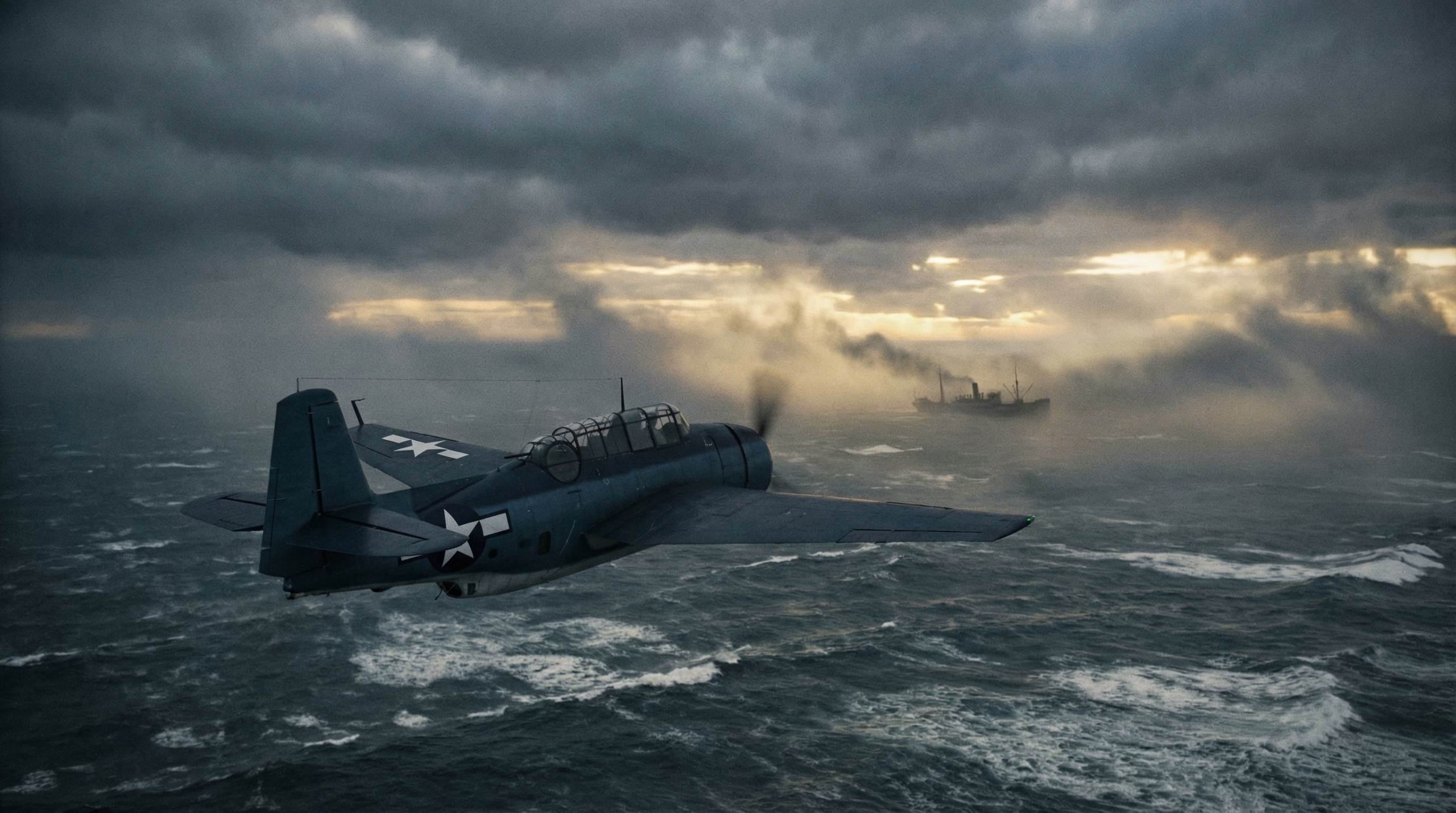
For decades, the disappearance of Flight 19 has captivated historians, aviation enthusiasts, and conspiracy theorists alike. On a seemingly ordinary afternoon in December 1945, five Navy bombers took off from Fort Lauderdale, Florida, for a routine training mission — and they never returned. The mystery deepened when the rescue plane sent to find them also vanished without a trace.
The story begins on December 5, 1945. Flight 19, consisting of five TBM Avenger torpedo bombers, was scheduled for a navigation training exercise. The flight leader, Lieutenant Charles Taylor, was an experienced pilot but unfamiliar with the area. As the flight progressed, Taylor became disoriented, and radio transmissions revealed growing panic among the crew.

“We cannot see land,” Taylor reported. “We seem to be off course.” Despite efforts by ground control to guide them back, the compasses appeared to be malfunctioning. The weather, initially clear, began to deteriorate rapidly. As fuel levels dropped, the situation became desperate. The last transmission was chilling: “All planes close up tight… when the first plane drops below 10 gallons, we all go down together.”
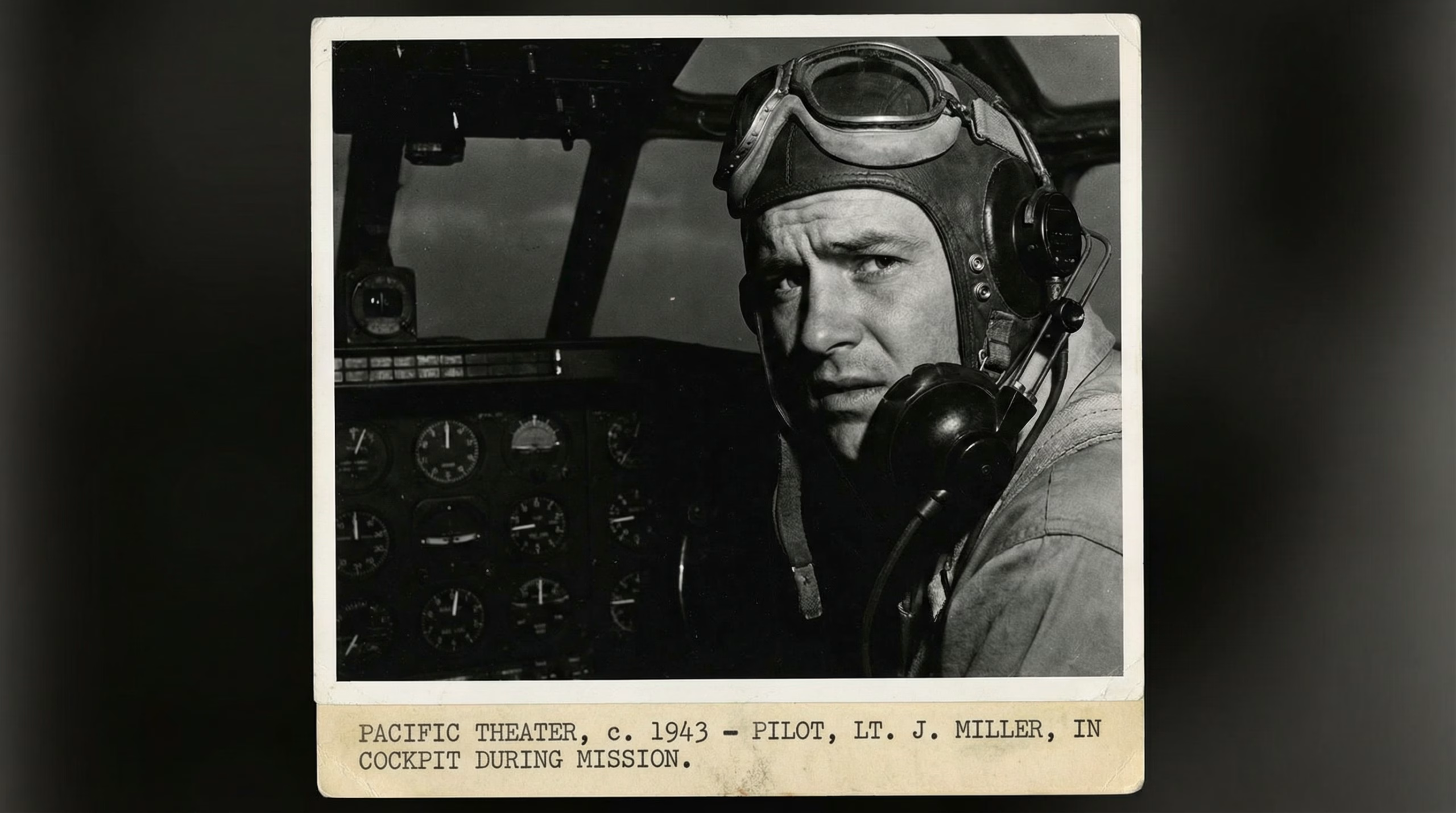
The disappearance sparked one of the largest search and rescue operations in history. Hundreds of ships and aircraft scoured the Atlantic, but no wreckage or bodies were ever found. The mystery deepened when a PBM Mariner flying boat sent to search for the bombers also exploded mid-air and vanished. The official Navy report concluded navigational failure and fuel exhaustion, but the complete absence of physical evidence left room for endless speculation.

Over the decades, Flight 19 has been immortalized in books, documentaries, and films. In recent years, deep-sea submersibles and sonar imaging have renewed hopes of finding the lost squadron — yet the planes remain elusive. Until the wreckage is found, Flight 19 will continue to stand as one of aviation’s most haunting unsolved mysteries.