
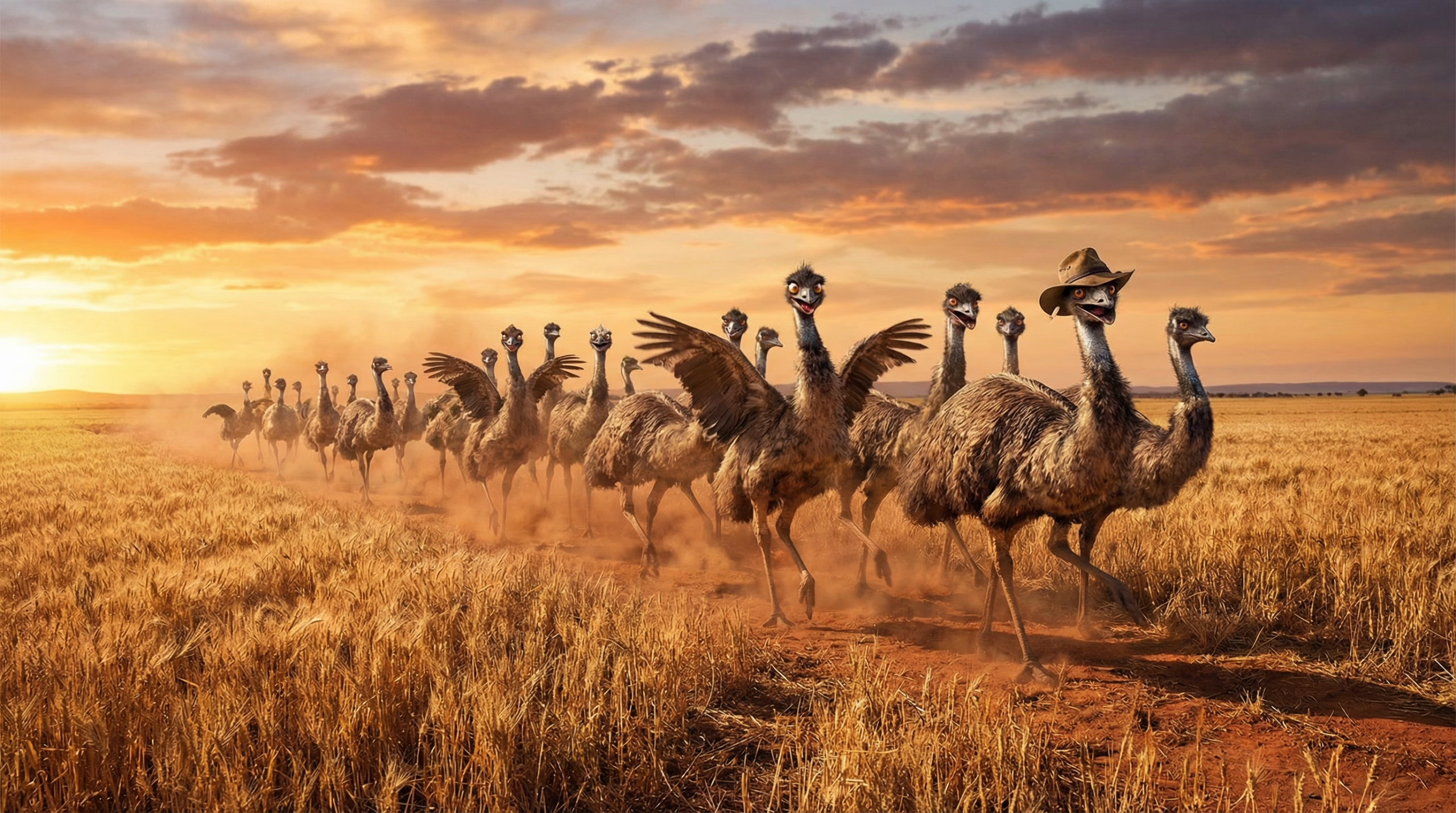
In the annals of military history, there are tales of epic battles, strategic brilliance, and devastating defeats. But perhaps none is as bizarre and amusing as the Great Emu War of 1932. The Australian military once declared war on a flock of emus — and lost. This peculiar conflict remains one of history’s most fascinating footnotes.
The story begins in the aftermath of World War I. Returning Australian soldiers were given farmland in the Campion district of Western Australia. The Great Depression hit hard, and a massive migration of emus — estimated at around 20,000 birds — descended upon the region, devouring wheat crops and trampling fences without mercy.

Desperate farmers appealed to the government for military assistance. The Minister of Defence agreed, dispatching Major G.P.W. Meredith with two soldiers, two Lewis machine guns, and 10,000 rounds of ammunition. The “war” had officially begun — but the military quickly discovered that emus were not easy targets. The birds were incredibly fast, capable of running up to 30 miles per hour.
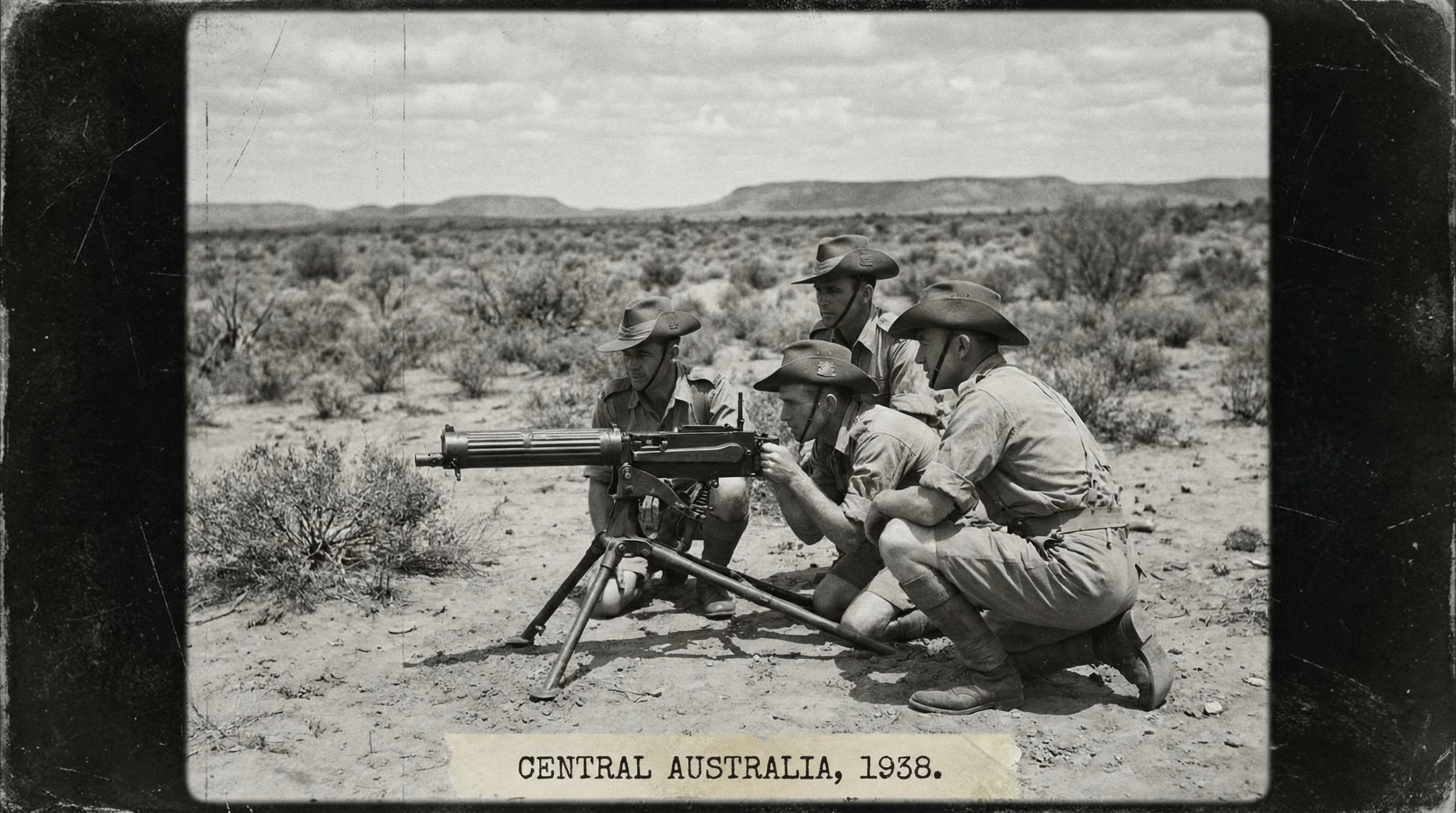
In one particularly comical incident, Major Meredith mounted a Lewis gun on a truck to chase the emus, but the rough terrain made accurate fire impossible. After days of futile effort and thousands of rounds expended, only a few hundred emus had been killed. The media caught wind of the operation and mercilessly mocked the military’s inability to defeat a flock of birds.

On November 8, just a week after the conflict began, the government ordered a full withdrawal. Major Meredith famously remarked: “If we had a military division with the bullet-carrying capacity of these birds, it would face any army in the world.” The Great Emu War remains one of history’s most humorous cautionary tales about the limits of human intervention in nature.