
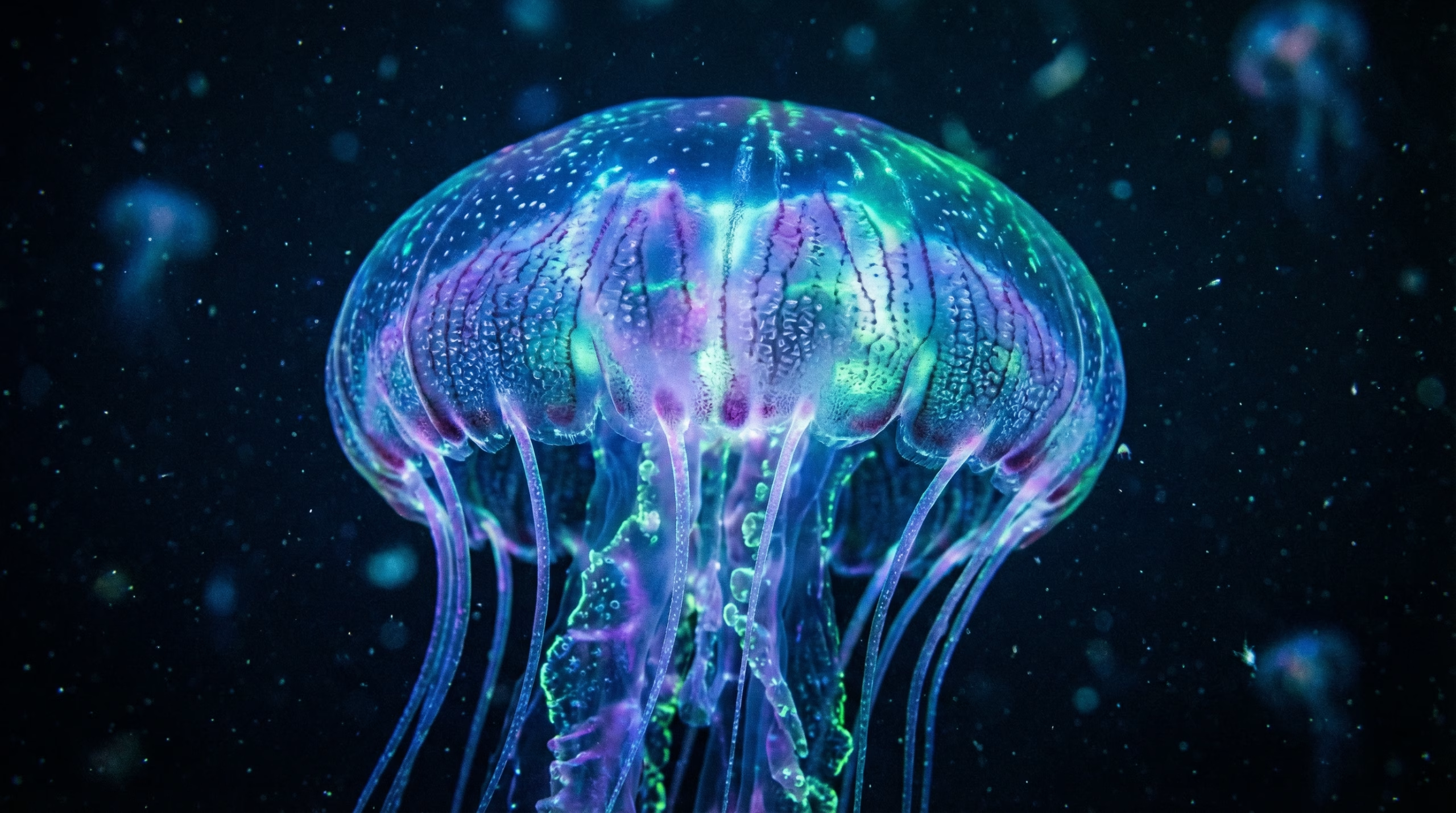
In the vast and mysterious depths of the ocean, there exists a creature that has seemingly conquered death: the Turritopsis dohrnii, commonly known as the immortal jellyfish. This tiny, bell-shaped jellyfish, no larger than a fingernail, possesses the extraordinary ability to revert its cells back to their earliest form and start its life cycle all over again.
When faced with physical damage, starvation, disease, or environmental stress, the immortal jellyfish undergoes a process called transdifferentiation. It transforms its adult cells into specialized stem cells, which then form a new polyp colony. From this polyp, new, genetically identical jellyfish are born. It is the biological equivalent of a butterfly turning back into a caterpillar.

This remarkable ability means that, theoretically, the Turritopsis dohrnii can bypass the natural process of aging and live indefinitely. However, in the wild, they are still vulnerable to predators and disease. Despite their theoretical ‘immortality,’ most do not survive forever in their natural ocean environment.
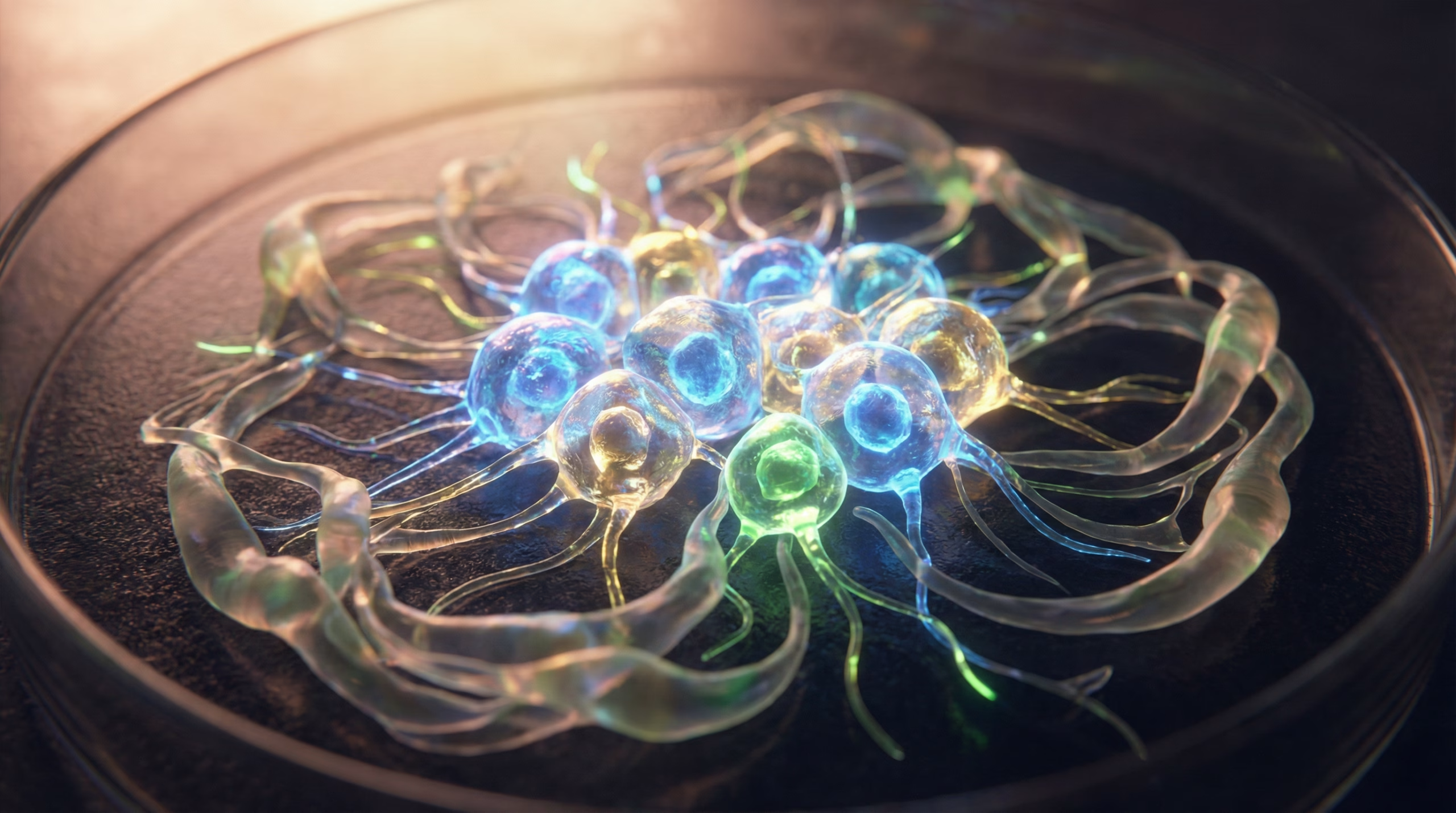
Scientists are intensely studying the immortal jellyfish in hopes of unlocking the secrets of cellular regeneration and aging. Understanding how this tiny creature rewinds its biological clock could have profound implications for human medicine, potentially leading to breakthroughs in treating age-related diseases and extending human lifespan.

The immortal jellyfish has captured the imagination of researchers worldwide. It represents a fundamental challenge to our understanding of aging as an inevitable biological process. If a simple jellyfish can reverse its own aging, what might be possible for more complex organisms — including humans — in the future?