
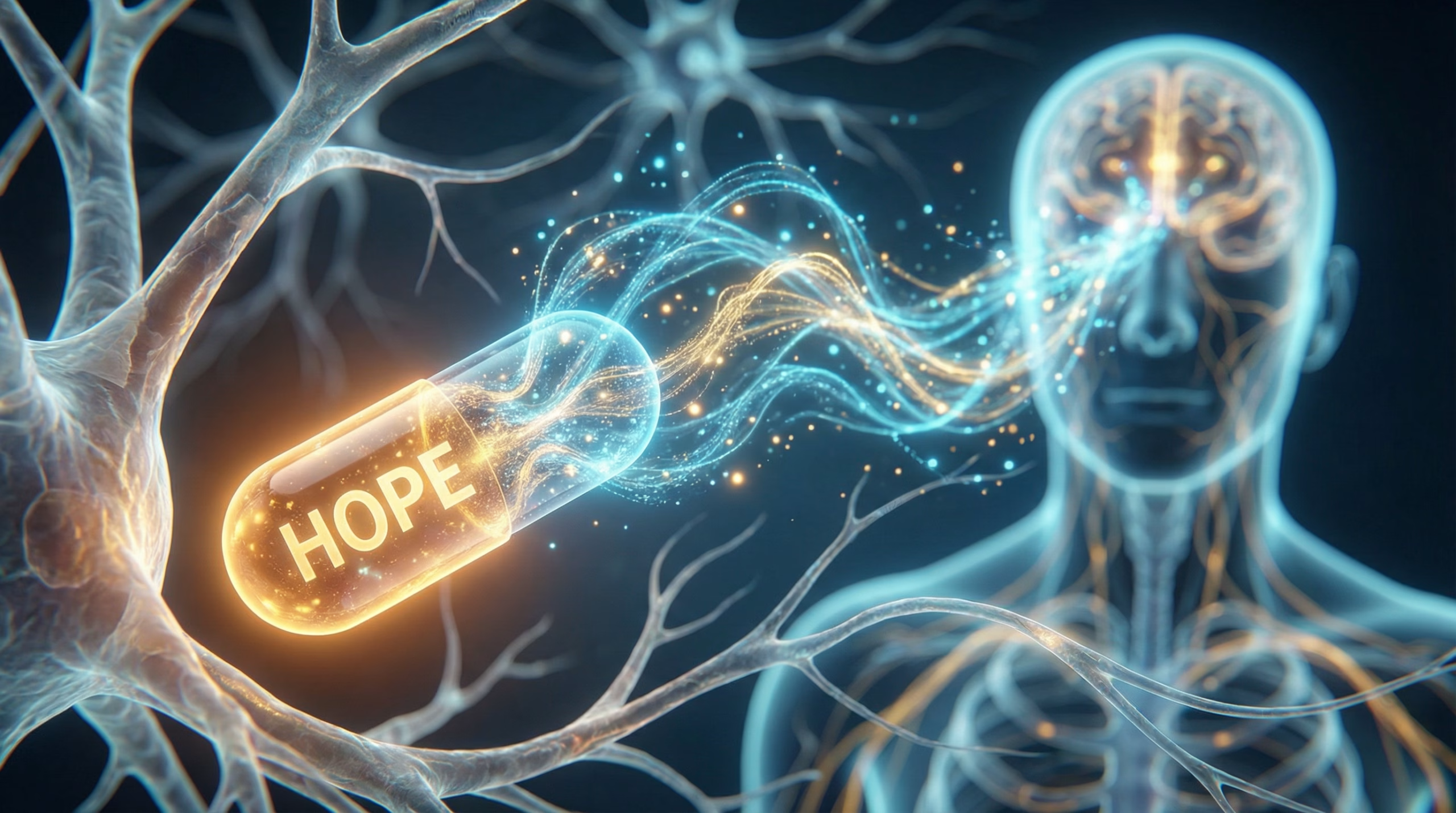
One of the most fascinating and perplexing phenomena in medicine is the placebo effect. It occurs when a patient experiences a real, measurable improvement in their condition after receiving a ‘fake’ treatment, such as a sugar pill or a saline injection. The only active ingredient is the patient’s belief that the treatment will work.
The placebo effect is not just ‘all in the head.’ Brain imaging studies have shown that the expectation of pain relief can trigger the release of endorphins, the body’s natural painkillers. Placebos have been shown to effectively treat a wide range of conditions, including depression, chronic pain, sleep disorders, and irritable bowel syndrome.

Interestingly, the placebo effect can be influenced by various factors. Larger pills, more expensive treatments, and even the color of the pill can enhance the effect. Furthermore, the doctor-patient relationship plays a crucial role; a compassionate and confident doctor can significantly boost the placebo response in their patients.

Perhaps most remarkably, research has shown that placebos can work even when patients know they are taking a placebo. This ‘open-label placebo’ effect suggests that the ritual of taking medicine itself triggers a healing response in the brain, independent of the patient’s conscious belief.

While the placebo effect highlights the incredible power of the mind-body connection, it also presents challenges for medical research. New drugs must prove they are significantly more effective than a placebo to be approved. The placebo effect reminds us that healing is a complex process, deeply intertwined with our psychology, expectations, and the care we receive.