
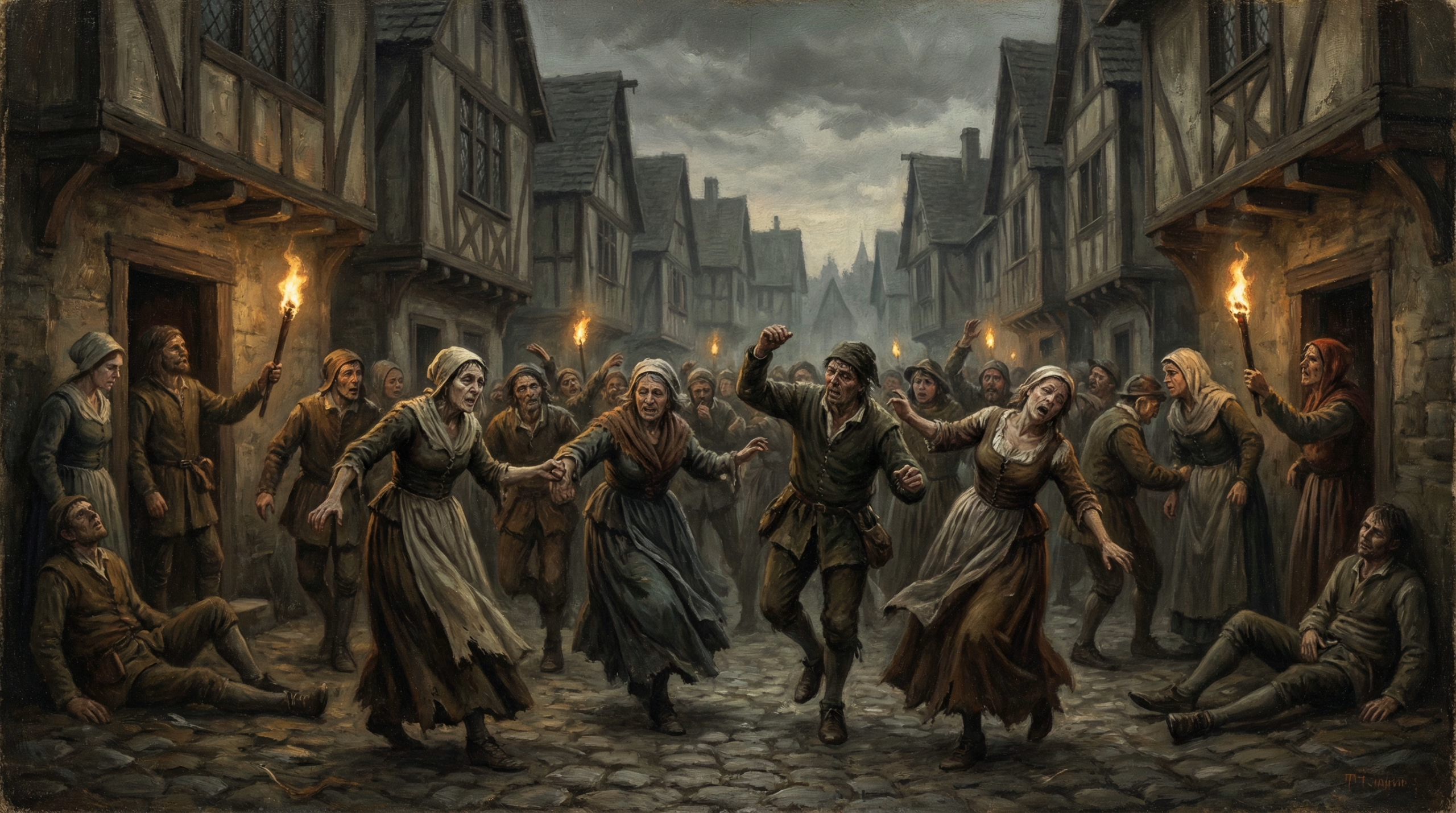
In July 1518, a woman named Frau Troffea stepped into a street in Strasbourg, France, and began to dance. She danced for hours, then days. Within a week, 34 others had joined her. Within a month, the number had swelled to 400. This was the bizarre and deadly Dancing Plague of 1518 — one of the strangest events in recorded history.
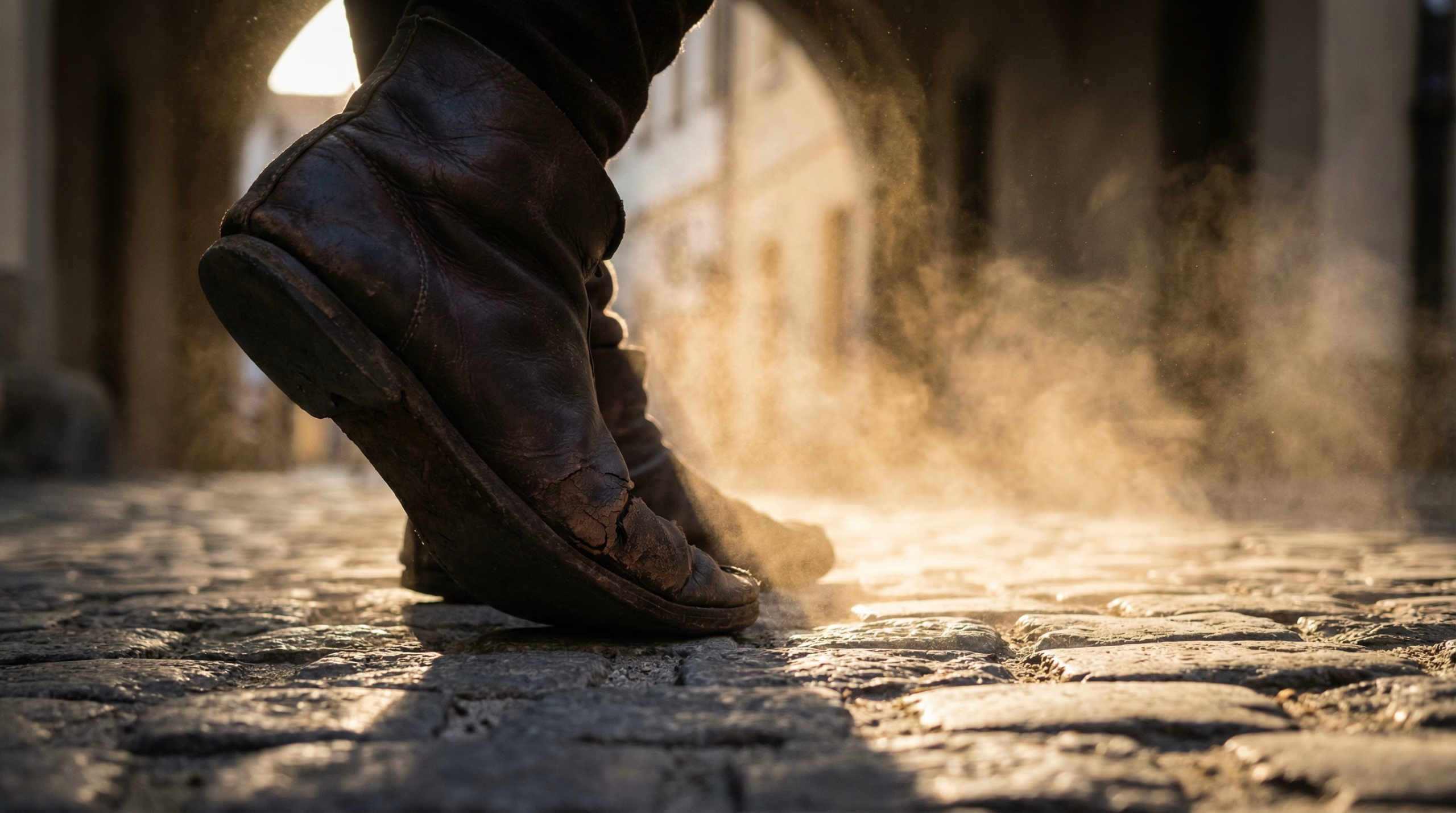
The dancers were not celebrating; they were trapped in a state of uncontrollable frenzy. They danced until their feet bled, and many collapsed from exhaustion. Historical records indicate that at the peak of the plague, up to 15 people were dying every day from heart attacks, strokes, or sheer physical exhaustion.

The local authorities, believing the cure for the dancing was more dancing, actually hired musicians and built a wooden stage to keep the afflicted moving. This only exacerbated the problem. The true cause of the Dancing Plague remains a subject of intense debate among historians and medical professionals to this day.
Some theories suggest mass psychogenic illness, triggered by the extreme stress and famine of the time. Others point to ergot poisoning — a psychoactive fungus that grows on damp rye and can cause hallucinations and involuntary muscle spasms. The symptoms described in historical records align closely with ergot toxicity.

Whatever the cause, the Dancing Plague stands as one of the strangest psychological phenomena in human history. It serves as a powerful reminder of how collective stress and social contagion can manifest in the most extraordinary and terrifying ways.